Scientists Announce Major Breakthrough in Alzheimer's Treatment
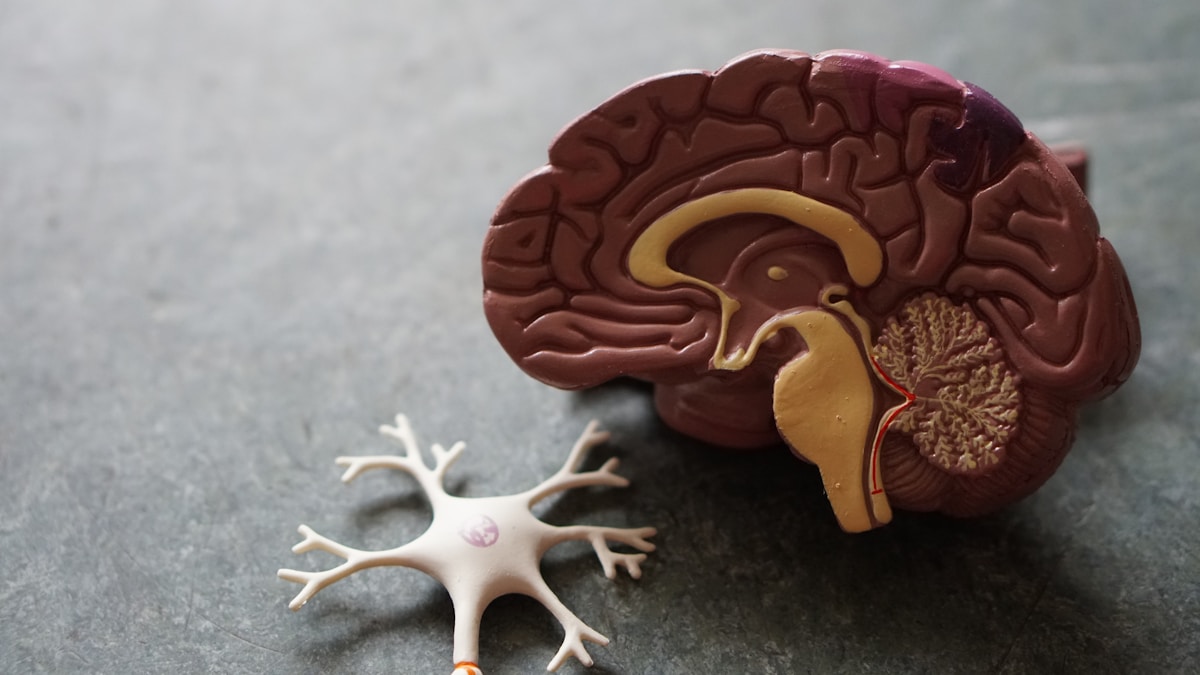
Scientists Announce Major Breakthrough in Alzheimer’s Treatment
Researchers have announced what many are calling the most significant breakthrough in Alzheimer’s treatment in decades: a new drug that slows cognitive decline by up to 60% in clinical trials.
The Discovery
The drug, developed by Eli Lilly in collaboration with academic researchers, works by targeting a previously overlooked mechanism in brain cell degeneration. Unlike earlier treatments that focused primarily on amyloid plaques, this therapy addresses tau protein tangles and neuroinflammation simultaneously.
“This represents a paradigm shift in how we approach Alzheimer’s disease,” said Dr. Maria Gonzalez, lead researcher on the trial. “We’re not just treating symptoms—we’re actually slowing the underlying disease process.”
Trial Results
The Phase 3 clinical trial included over 3,500 patients with early-stage Alzheimer’s across 20 countries:
- 60% slower decline in cognitive function compared to placebo
- 52% reduction in ability to perform daily activities loss
- Significant improvement in quality of life measures
- Well-tolerated with manageable side effects
Patient Impact
For the estimated 55 million people worldwide living with Alzheimer’s, this development offers new hope.
“My mother was diagnosed five years ago,” shared trial participant’s daughter. “Watching her participate in this trial and maintain her cognitive abilities longer than expected has been nothing short of miraculous.”
Regulatory Path
The FDA has granted the drug Breakthrough Therapy designation, which should accelerate the approval process. Analysts expect a decision by late 2026.
Access Concerns
However, questions remain about accessibility:
- Cost: Similar drugs have launched at $26,000+ per year
- Administration: Requires monthly intravenous infusions
- Screening: Early detection is critical but often missed
What’s Next
Researchers are now exploring whether the treatment might be effective in preventing Alzheimer’s in high-risk individuals, potentially representing an even more significant breakthrough.
The scientific community remains cautiously optimistic, emphasizing that while this is a major step forward, a complete cure remains elusive.