Electric Vehicle Sales Hit Record High as Battery Costs Plummet
Electric Vehicle Sales Hit Record High as Battery Costs Plummet
Global electric vehicle sales surged to a record 25 million units in 2025, marking a tipping point in the automotive industry’s transition away from fossil fuels.
Record-Breaking Growth
The numbers tell a compelling story:
- 25 million EVs sold worldwide in 2025 (up from 18 million in 2024)
- 22% of all new cars sold were electric (up from 16%)
- China led with 12 million units, followed by Europe (6M) and North America (5M)
The Battery Breakthrough
The key driver has been dramatically falling battery costs:
| Year | Battery Cost (per kWh) |
|---|---|
| 2020 | $137 |
| 2023 | $95 |
| 2025 | $68 |
At current prices, EVs are reaching price parity with internal combustion vehicles without subsidies—a milestone many predicted wouldn’t arrive until 2028.
Winners and Losers
Winners:
- BYD maintained its position as the world’s largest EV manufacturer
- Tesla rebounded with new affordable models
- Hyundai/Kia gained significant market share in North America
Losers:
- Traditional automakers struggling with the transition
- Oil companies facing accelerating demand destruction
- Suppliers of internal combustion engine components
Infrastructure Expansion
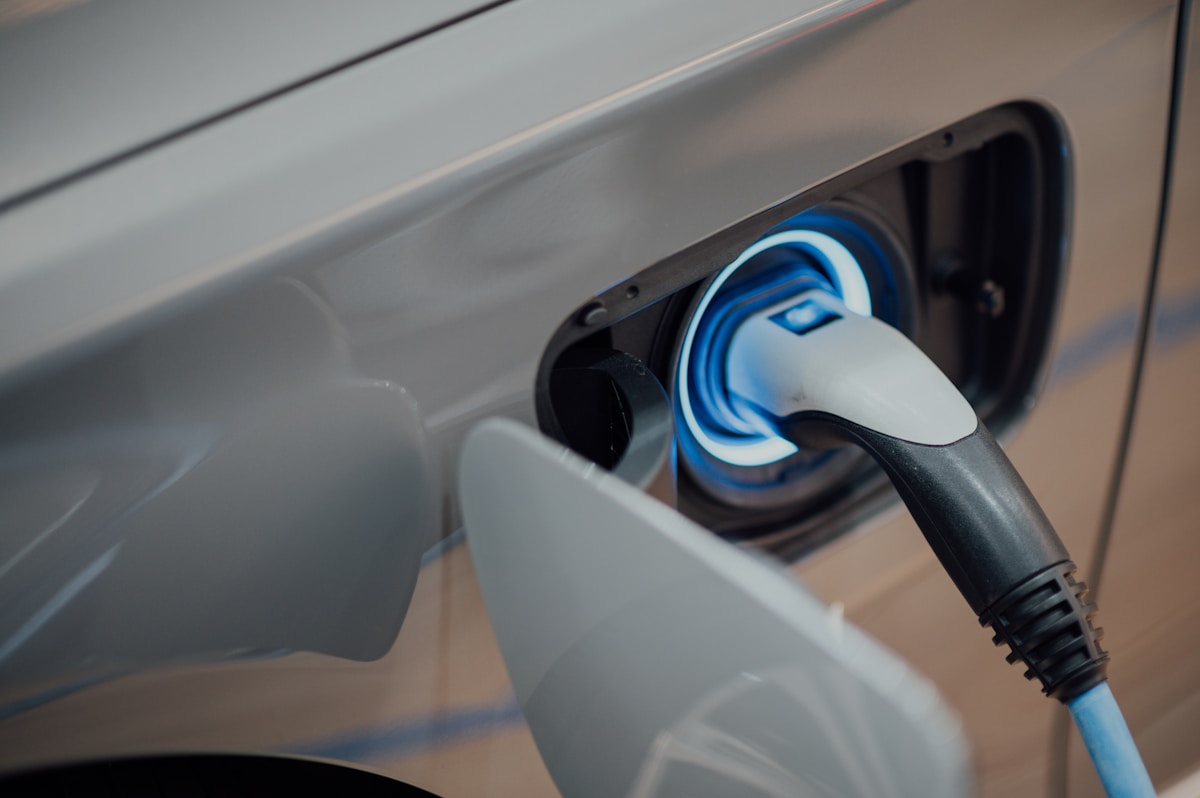
Charging infrastructure has finally begun catching up with demand:
- 3 million public charging points globally (up 45%)
- Fast charging networks now cover major highways in developed markets
- Home charging solutions becoming more affordable
Challenges Ahead
Despite the progress, obstacles remain:
- Grid capacity: Some regions struggling to meet increased electricity demand
- Raw materials: Lithium and cobalt supply chains remain strained
- Used car market: Uncertainty about battery longevity affects resale values
- Rural adoption: Charging infrastructure gaps in less populated areas
What’s Next
Industry analysts predict EVs will account for 50% of new car sales globally by 2030. The question is no longer if the transition will happen, but how quickly.
For consumers, the message is clear: the economics of electric vehicles have fundamentally changed, and the case for switching grows stronger every day.